
New Zealand North or South Island: which one should you choose?
By Eva Alkemade
Aug 25, 2026
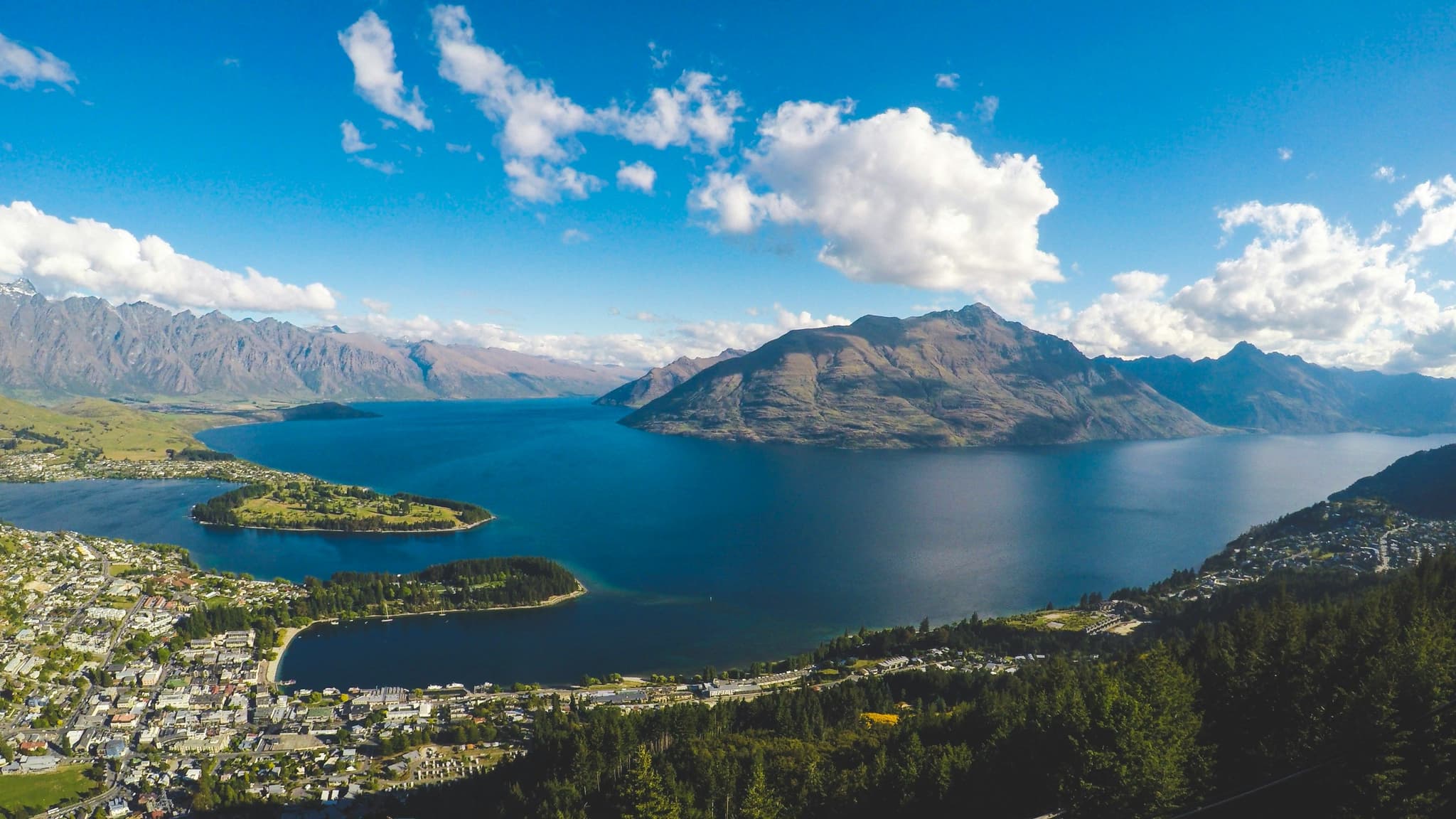
New Zealand has two main islands, and if you’re planning your first trip, you’re probably wondering which one deserves more of your time. The North Island gives you beaches, Māori culture, geothermal areas and cities within relatively short driving distances, while the South Island is where you’ll find bigger mountains, glaciers, lakes and those long scenic road trips New Zealand is famous for. Both are worth visiting, but they suit very different trips. So, if you’re debating whether to go north or south in New Zealand, read on to figure out which island fits you best.
North or South Island New Zealand in a nutshell:
The North Island gives you geothermal parks, Māori culture and easy city hopping.
The South Island gives you the Southern Alps, fiords and long open roads.
Two weeks usually suits one island only, since the country is bigger than it looks.
Ferries link Wellington and Picton in around three and a half hours.
Summer suits both islands, though the South turns colder and snowier outside peak months.
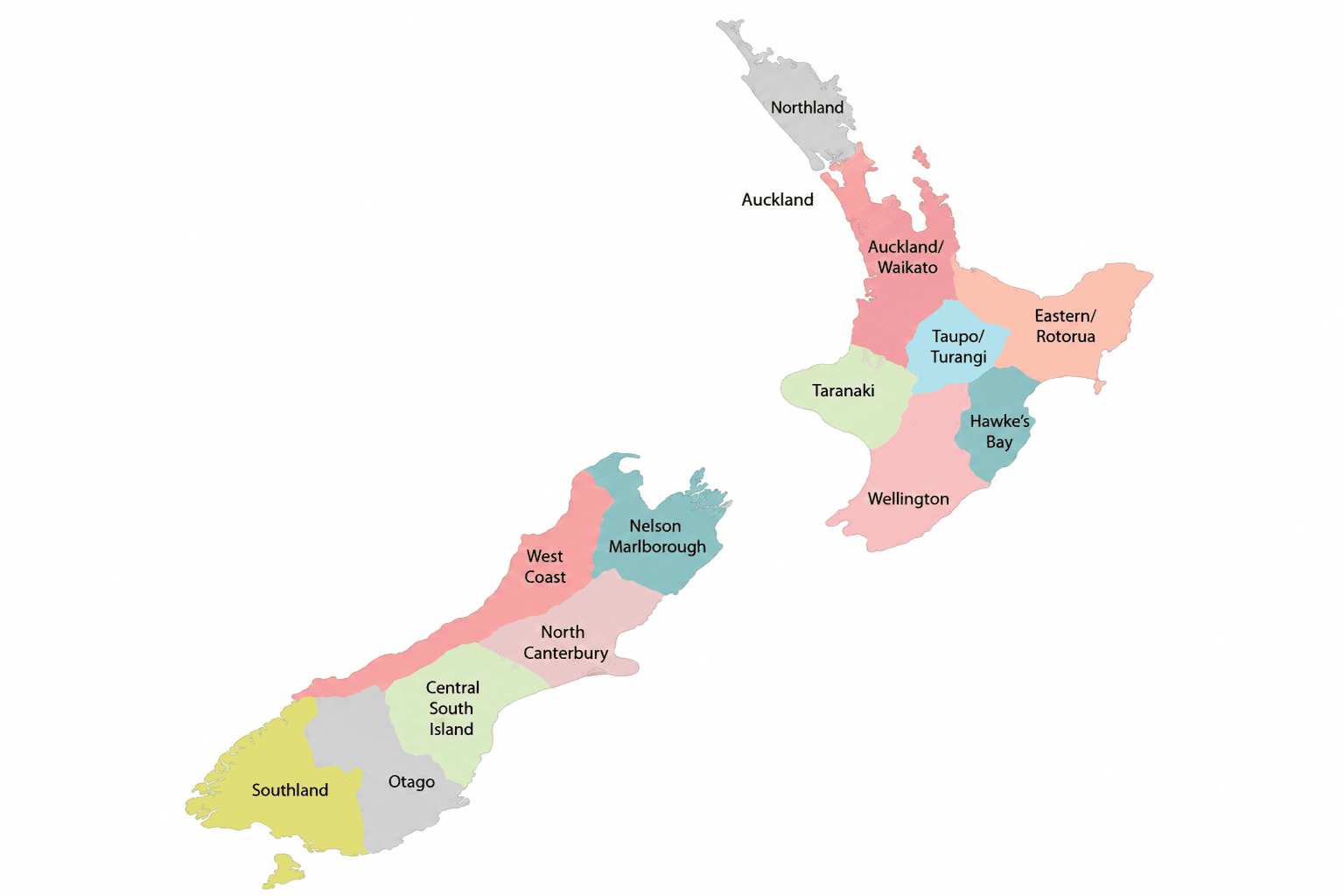
South and North New Zealand map: how far apart is everything?
New Zealand splits into regions rather than states, so there's no such thing as New Zealand states, but there are regions in NZ that you can explore in the south and the north. We’ve mapped them out for you:
How much time do you actually need on each island?
Most people underestimate New Zealand. Two weeks sounds like plenty until you check a map and realise Queenstown sits nearly 1,500 kilometres from Auckland. So before you start picking stops, it helps to know what’s actually realistic for the time you have.
A few days (3 to 5): stick to one island, ideally Auckland and Rotorua up North, or Christchurch and Queenstown down South.
One week: the North Island covers Auckland, Rotorua, Taupo and Tongariro National Park comfortably, or the South covers Christchurch, Lake Tekapo and Queenstown.
Two weeks: one full island, done properly, beats a quick loop of both.
Three weeks or more: putting both islands together starts to make sense, particularly with a ferry crossing or short flight built into your route.
Fun fact: New Zealand's North Island holds close to three quarters of the country's population, even though it's the smaller of the two islands by area.
North or South Island, New Zealand: What you'll do on each island
The biggest difference between the two islands is the landscape, and for many travellers, that’s what ends up deciding the trip. Once you see what each island looks like, you can easily decide what fits you best.
Up North: volcanoes, geothermal parks and city time
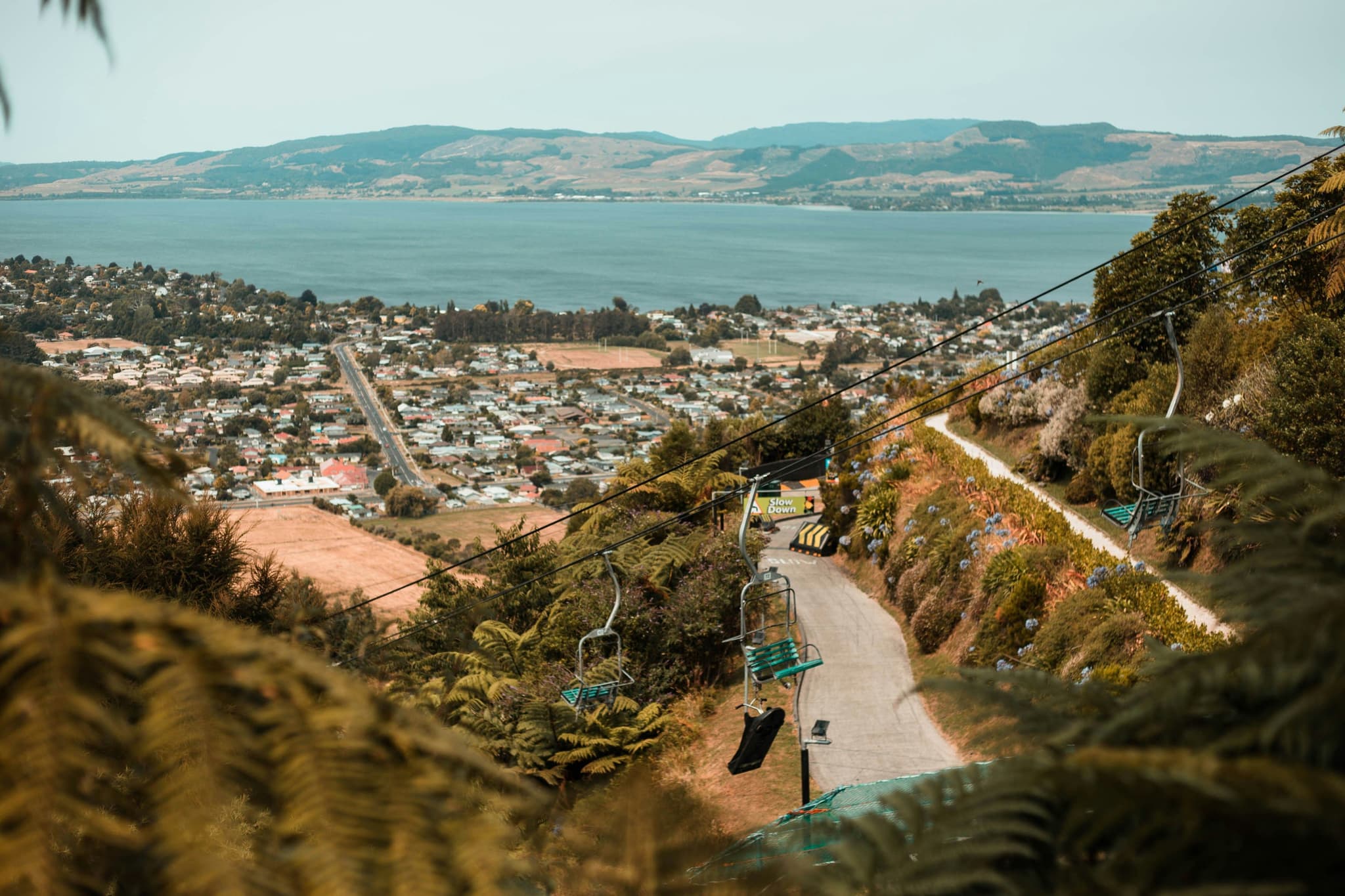
On the North Island, things can change pretty quickly as you drive around. Around Rotorua, you’ll find bubbling mud pools, geysers and geothermal parks, while Tongariro National Park is where you can hike between volcanoes and across some of the island’s most beautiful landscapes. Head towards the Coromandel Peninsula and you’re suddenly back at the coast, with places like Hot Water Beach and Cathedral Cove.
Planning to hike the Tongariro Alpine Crossing? Check the official Department of Conservation website before you go for current track conditions and booking information.
Down South: mountains, glaciers and fiords
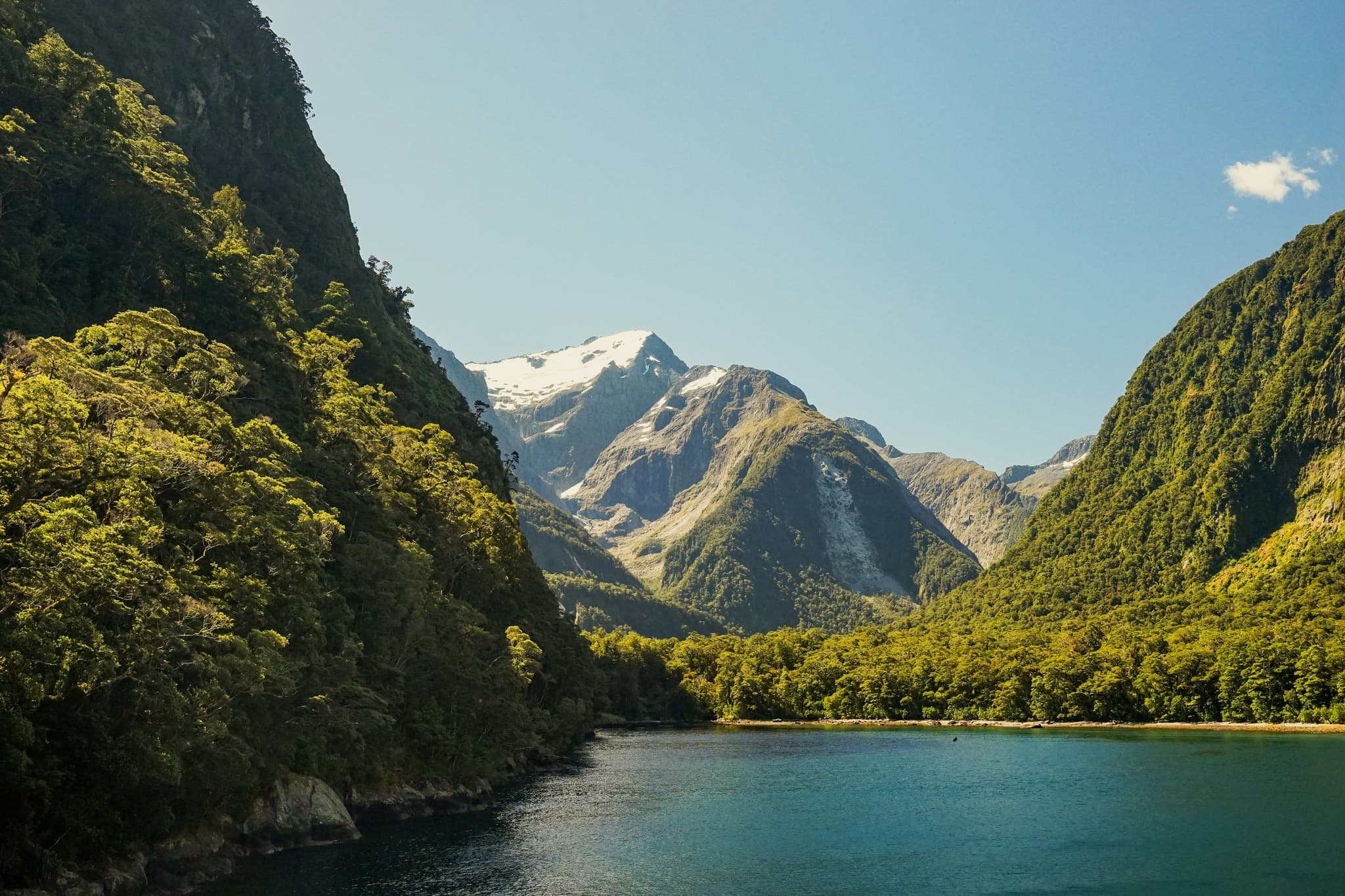
Down South, New Zealand starts to feel much wilder. Here, the Southern Alps stretch across much of the island, with snowy peaks, huge lakes and some nice drives. Along the West Coast, you’ll find Franz Josef and Fox Glacier, two glaciers that descend from the mountains towards temperate rainforest surprisingly close to the coast. Further south, Milford Sound and Doubtful Sound are huge glacier carved fiords, surrounded by steep cliffs, waterfalls and mountains rising straight from the water.
Fancy tackling a trail while you're down here? Our 10 best hikes in New Zealand guide covers routes on both islands, from short walks to multi-day treks through the Southern Alps.
Which island has the best weather: North Island or South Island?
Weather plays its part in the decision too, particularly if you're travelling outside the middle of summer. Both islands share the same seasons, though how those seasons actually play out couldn't be more different.
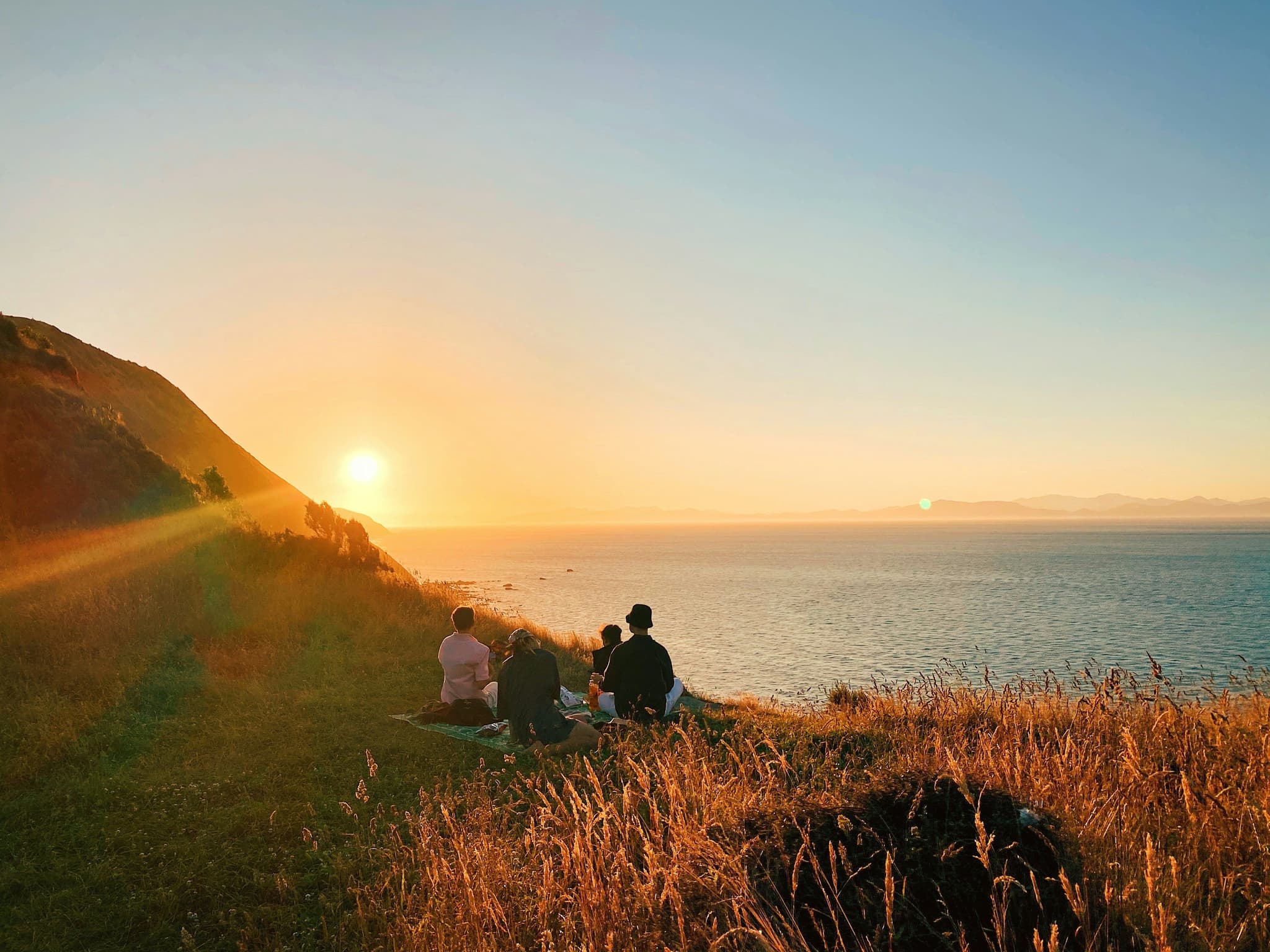
North Island weather: better for mild temperatures year-round
Temperatures stay milder right through winter up here, and Northland rarely drops below the low teens even in July. Wellington, at the bottom of the North Island, earns its nickname 'Windy Wellington' for a reason, so pack a jacket regardless of season.
South Island weather: better for snow and sun
The seasons hit harder down South. Summers around Central Otago climb into the thirties, and winter brings proper snow to Queenstown and the ski fields nearby. The West Coast and Fiordland pick up the most rain in the country, and Nelson, at the top of the South Island, claims some of the sunniest weather anywhere in New Zealand.
Wondering exactly which months suit you best? Our guide on the best time to go to New Zealand breaks down the seasons, weather and what each time of year is best for.
How to decide between New Zealand’s North or South Island?
Both islands have incredible nature, but the type of trip you’ll have can feel completely different. Your choice really comes down to what you want more of: beaches, culture and geothermal landscapes in the North, or mountains, lakes and longer scenic road trips in the South. Here’s how we’d decide between the two.
Choose the North Island if this sounds like your trip
You want Māori culture up close, through hāngī dinners and geothermal parks around Rotorua.
You'd rather cover more ground with shorter drives between Auckland, Rotorua and Wellington.
Wine matters to you, and Hawke's Bay, Martinborough and Waiheke Island all fall on this side.
Hobbiton and the Lord of the Rings film set pull you in, tucked near Matamata.
You're short on time, since a week here already covers plenty comfortably.
Curious what a full route through the North Island could look like? Our New Zealand North Island guide covers the best cities, geothermal parks and itinerary ideas.
Choose the South Island if this sounds like your trip
Mountains and open countryside pull you in more than cities do.
Wildlife tops your list, from whale watching off Kaikoura to penguins near Dunedin.
Wine tasting matters, though you'd rather do it surrounded by mountains in Marlborough or Otago.
Long, open roads with far less traffic than up North sound appealing.
You've got at least ten days, since distances here run longer than most people expect.
Thinking the South Island sounds more like your kind of trip? Our New Zealand South Island guide takes you through the best places, scenic drives and routes to help you plan it.
Which island is more expensive to visit? New Zealand’s North Island or South?
You’ll probably notice the biggest price difference in accommodation, especially once Queenstown enters your route. During high season, hotels there can easily cost around NZ$220 to NZ$400 or more per night, making it one of the more expensive places to stay in New Zealand. Head towards smaller South Island towns like Hokitika or Franz Josef and motel rooms can be closer to NZ$140 per night. Up North, Auckland generally sits somewhere in the middle, with hotels often around NZ$150 to NZ$250 per night.
Food costs don’t differ dramatically between the islands, but you may spend more on fuel in the South simply because the distances between stops are often much longer. Wondering what else to budget for, where to eat and what things generally cost? Our New Zealand travel guide covers food, accommodation, transport and other practical costs for your trip.
Guided tip: Queenstown is one of the places where your New Zealand budget can climb quickly, so staying outside the centre or travelling outside peak season can make a noticeable difference.
Can you put New Zealand’s North and South Islands both into one trip?
Yes, and if you have enough time, combining both islands is a great way to see just how different they are. We’d ideally give yourself around three weeks, so you can spend roughly a week on each island with enough time left for travelling between them and a few slower days along the way. Try to plan your route in one direction too, for example from Auckland down to Wellington, across to Picton and then through the South Island, rather than constantly doubling back.
Only have two weeks? You can still combine both, but you’ll need to be a little more selective with your stops. Curious what that could look like? Our two week New Zealand adventure itinerary maps out a complete route across both islands, day by day.
Getting between New Zealand’s North and South Islands: ferry or flight
Once you’ve decided to visit both islands, you’ll need to choose between taking the ferry or flying. Neither is too complicated, so it mostly comes down to how much time you have and whether you want the journey itself to be part of the trip.
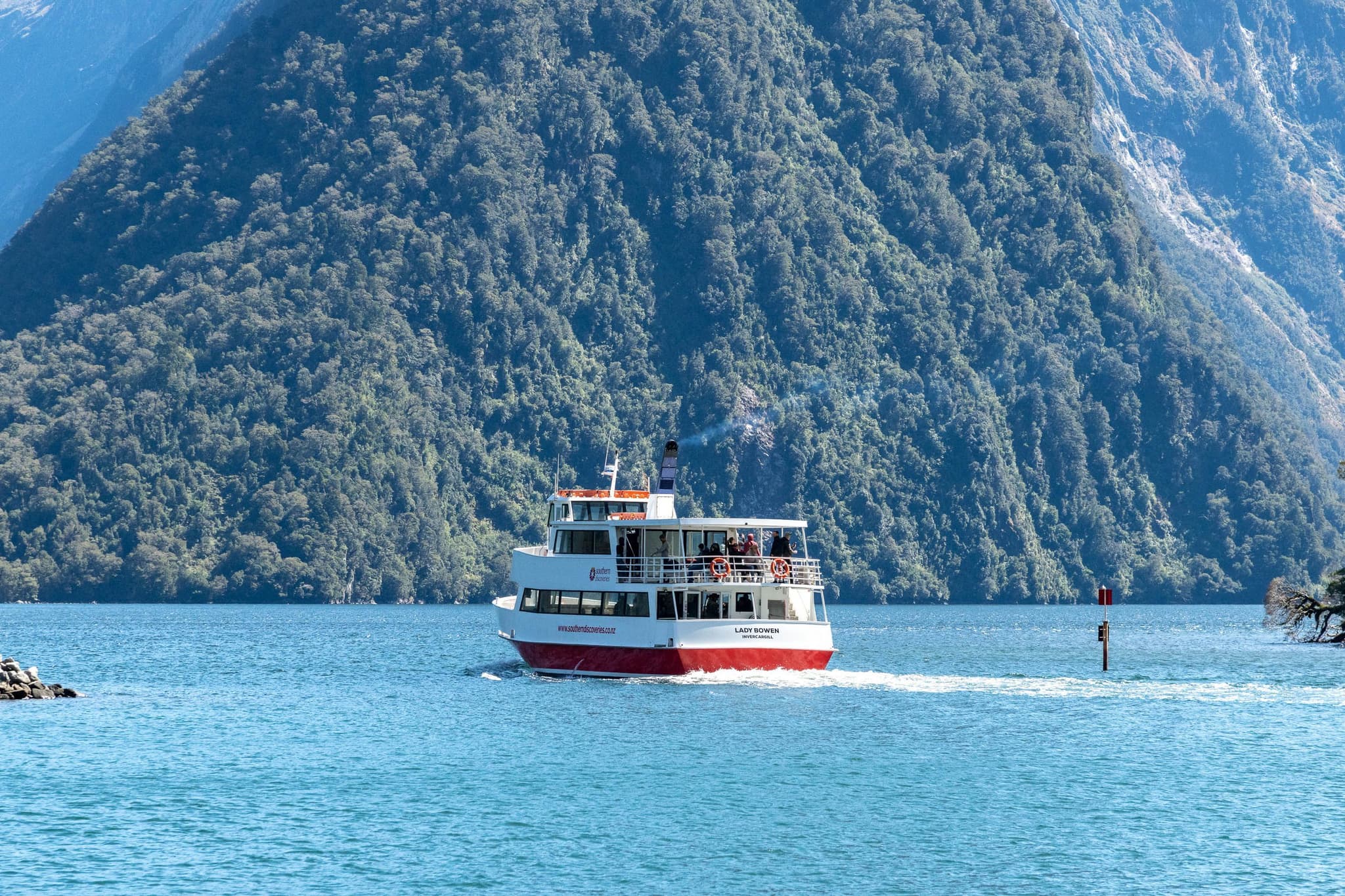
Take the ferry for the views
Between Wellington and Picton, the Interislander ferry takes around three and a half hours. Part of the journey takes you through the Marlborough Sounds, so we’d treat this as a scenic part of your route rather than just transport between the islands. Check the official Interislander timetable before booking, as sailing times and fares can change.
Fly if you’re short on time
With only two weeks in New Zealand, flying can make more sense. Direct flights connect cities such as Auckland, Wellington, Christchurch and Queenstown, and you can be on the other island in under two hours rather than building your route around the ferry.
Planning to explore mostly by car? Our New Zealand road trip guide has route ideas and realistic driving times for both islands, whether you have one week or a full month.
Guided tip: With a rental car, check the company’s ferry policy before booking. Some companies let you take the car across Cook Strait, while others require you to return it and pick up another vehicle on the other island.
So, New Zealand North or South Island: how to decide?
Still torn? Let the way you like to travel make the call for you.
North: pick this if culture, cities, wine and short drives between stops sound like your kind of trip.
South: pick this if mountains, glaciers, wildlife and long open roads sound like your kind of trip.
Whichever half you land on, you can map out your entire route, stop by stop, using the Guided app before you even leave home. Curious how other people have tackled the same North or South Island New Zealand question? Browse routes built by fellow Guided users for inspiration, then tweak one to fit your own plans.
Enjoyed This Blog? Continue Reading!
There is more travel inspiration waiting for you on our blog. You can take a look below and start mapping out your next travel adventure!


